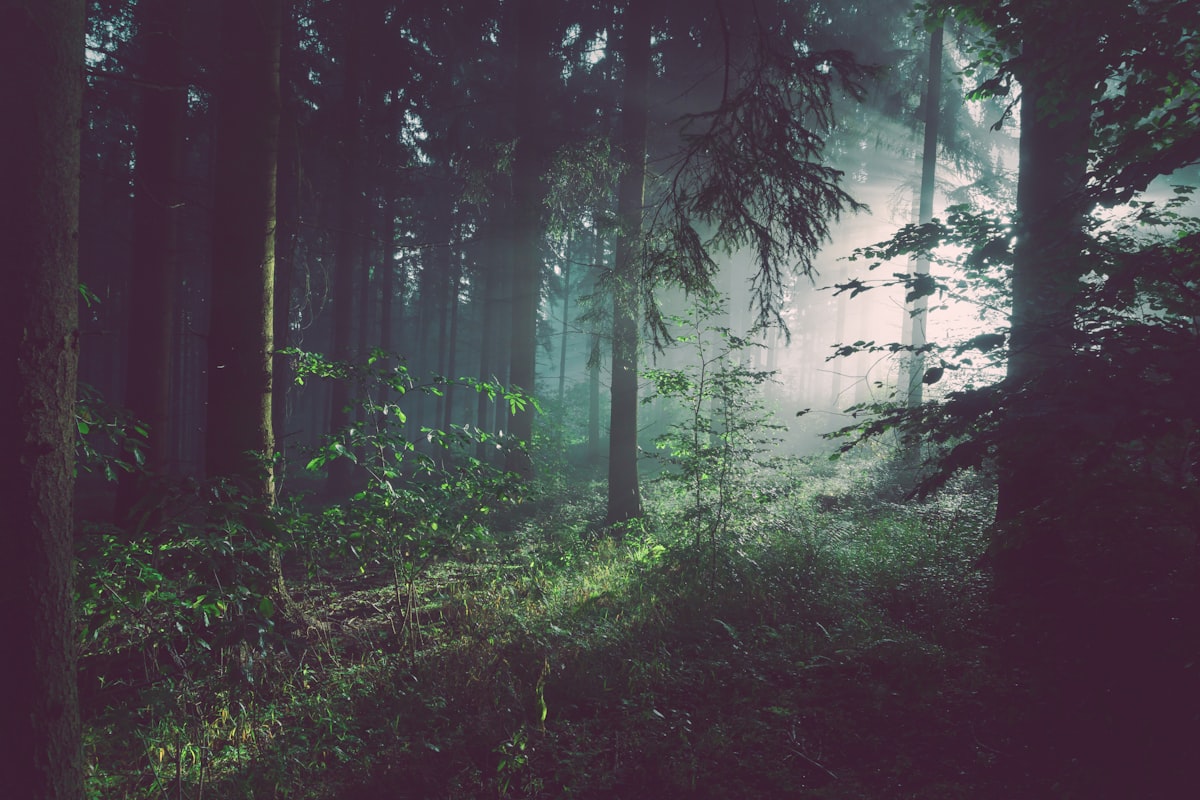
Jim Corbett is a 12-month destination — but each season offers a completely different experience. Here is a month-by-month breakdown of weather, tiger sightings, and which zones to book.
Jim Corbett Seasons at a Glance
| Season | Months | Weather | Tiger Sightings | Best For |
|---|---|---|---|---|
| Winter | Nov – Feb | 10°C – 25°C, clear | Very High | Photography, wildlife, all zones |
| Summer | Mar – Jun | 25°C – 42°C, dry | Highest (near water) | Tiger sightings, Dhikala |
| Monsoon | Jul – Sep | Heavy rain, 28°C | Moderate | Jhirna, Dhela — green landscape |
| Post-Monsoon | Oct – Nov | 18°C – 28°C, pleasant | High (zones reopening) | Fresh season, fewer crowds |
November — The Best Month to Arrive
November marks the reopening of the park's peak zones after the monsoon closure. Bijrani and Garjiya reopen around 15 October; Dhikala reopens on 15 November. The forest is lush and green from the monsoon, temperatures are perfect (15°C – 25°C), and wildlife is extremely active as animals emerge from their monsoon retreats. November is arguably the best overall month to visit Jim Corbett — all zones are open, weather is ideal, and the park feels fresh and vibrant.
December & January — Peak Season
December and January are peak season with the highest visitor volumes. The weather is cool and crisp (8°C – 20°C), making early morning safaris particularly enjoyable. Tigers are very active in these months, especially in Bijrani and Garjiya. Dhikala Canter safaris are heavily booked — advance booking of 20+ days is essential. Expect the most crowded forest conditions of the year.
December–January peak: Book Dhikala canter safari 25–30 days in advance. Bijrani and Garjiya jeep safaris should be booked 7–10 days ahead. Same-day permits are almost impossible during this period.
February & March — Tiger Sighting Sweet Spot
February and March are considered by many naturalists as the best months for tiger sightings. The forest begins to dry out after winter, reducing dense undergrowth and making tigers more visible on open tracks and near water sources. Bijrani's sighting rates are highest in February–March mornings. Temperatures are comfortable (15°C – 30°C) and crowds begin to thin slightly from January peaks.
April & May — Peak Tiger Visibility
April and May are the hottest months (35°C – 42°C by midday) but paradoxically offer the highest tiger sighting probability. As the forest dries out completely, every animal must visit the few remaining water sources — waterholes, river banks, and seasonal streams. Tigers become highly predictable, returning to the same waterholes daily. Dhikala's Ramganga reservoir becomes a magnet for all wildlife. Start safaris early (before 6:30 AM) to enjoy the cooler hours.
April–May tip: Request morning shift (5:45 AM) in Bijrani or Dhikala for the best sighting odds. Carry plenty of water — at least 1.5 litres per person. Lightweight, breathable fabrics in neutral colours are essential.
June — Final Month Before Closure
June is the last month before most core zones close for monsoon. Bijrani and Garjiya typically close around 30 June. Dhikala closes 15 June. Tiger sightings remain excellent in the first two weeks of June. Temperatures peak (40°C+) but morning safaris are manageable. June is also an excellent value month — rates are lower and availability is good as crowds have thinned.
July, August & September — Monsoon Season
The monsoon transforms Jim Corbett into a lush, emerald-green landscape. Heavy rainfall (July–September) closes most core zones including Bijrani, Garjiya, and Dhikala. However, four zones remain open year-round: Jhirna, Dhela, Phato, and Sitabani. Monsoon safaris in Jhirna are uniquely atmospheric — dense bamboo groves, full waterholes, and some of the highest sloth bear activity of the year. Fewer tourists, lower prices, and a rain-washed forest make this a special experience for the adventurous traveller.
October — Park Reopening Season
October is a transitional month. Bijrani and Garjiya typically reopen around 15 October. The forest is still green from the monsoon but the rain has stopped. Wildlife is highly active after the closed season and sighting rates are excellent. October is one of the best-value months — lower prices than peak season, excellent wildlife activity, and comfortable weather (20°C – 30°C).
Which Zones are Open in Which Months?
| Zone | Jan | Feb | Mar | Apr | May | Jun | Jul | Aug | Sep | Oct | Nov | Dec |
|---|---|---|---|---|---|---|---|---|---|---|---|---|
| Dhikala | ✓ | ✓ | ✓ | ✓ | ✓ | ½* | ✗ | ✗ | ✗ | ✗ | ✓** | ✓ |
| Bijrani | ✓ | ✓ | ✓ | ✓ | ✓ | ✓ | ✗ | ✗ | ✗ | ✓ | ✓ | ✓ |
| Garjiya | ✓ | ✓ | ✓ | ✓ | ✓ | ✓ | ✗ | ✗ | ✗ | ✓ | ✓ | ✓ |
| Jhirna | ✓ | ✓ | ✓ | ✓ | ✓ | ✓ | ✓ | ✓ | ✓ | ✓ | ✓ | ✓ |
| Dhela | ✓ | ✓ | ✓ | ✓ | ✓ | ✓ | ✓ | ✓ | ✓ | ✓ | ✓ | ✓ |
| Phato | ✓ | ✓ | ✓ | ✓ | ✓ | ✓ | ✓ | ✓ | ✓ | ✓ | ✓ | ✓ |
| Sitabani | ✓ | ✓ | ✓ | ✓ | ✓ | ✓ | ✓ | ✓ | ✓ | ✓ | ✓ | ✓ |
* Dhikala closes 15 June. ** Dhikala reopens 15 November.
Book Your Jim Corbett Safari
WhatsApp our desk — permits confirmed within 30 minutes.